
Bonds as an investment opportunity: returns and risks
Let’s take a closer look at this low-risk investment instrument
Bonds as an investment opportunity can appeal to people who want a clear payment schedule. Yet a known coupon does not mean a known profit. Here is how bonds work, what can change your result, and what to check before you buy.
What is a bond and how does it work?
When you buy a bond, you lend money to its issuer, such as a company or a government. The bond's terms set out its face value (the amount the issuer undertakes to repay at maturity), maturity date, and payment schedule. Interest payments are called coupons. Their amount and timing depend on the particular bond.
A promise to pay is not proof that the issuer will be able to pay. If it runs into financial trouble, coupon or principal payments may be late or incomplete.
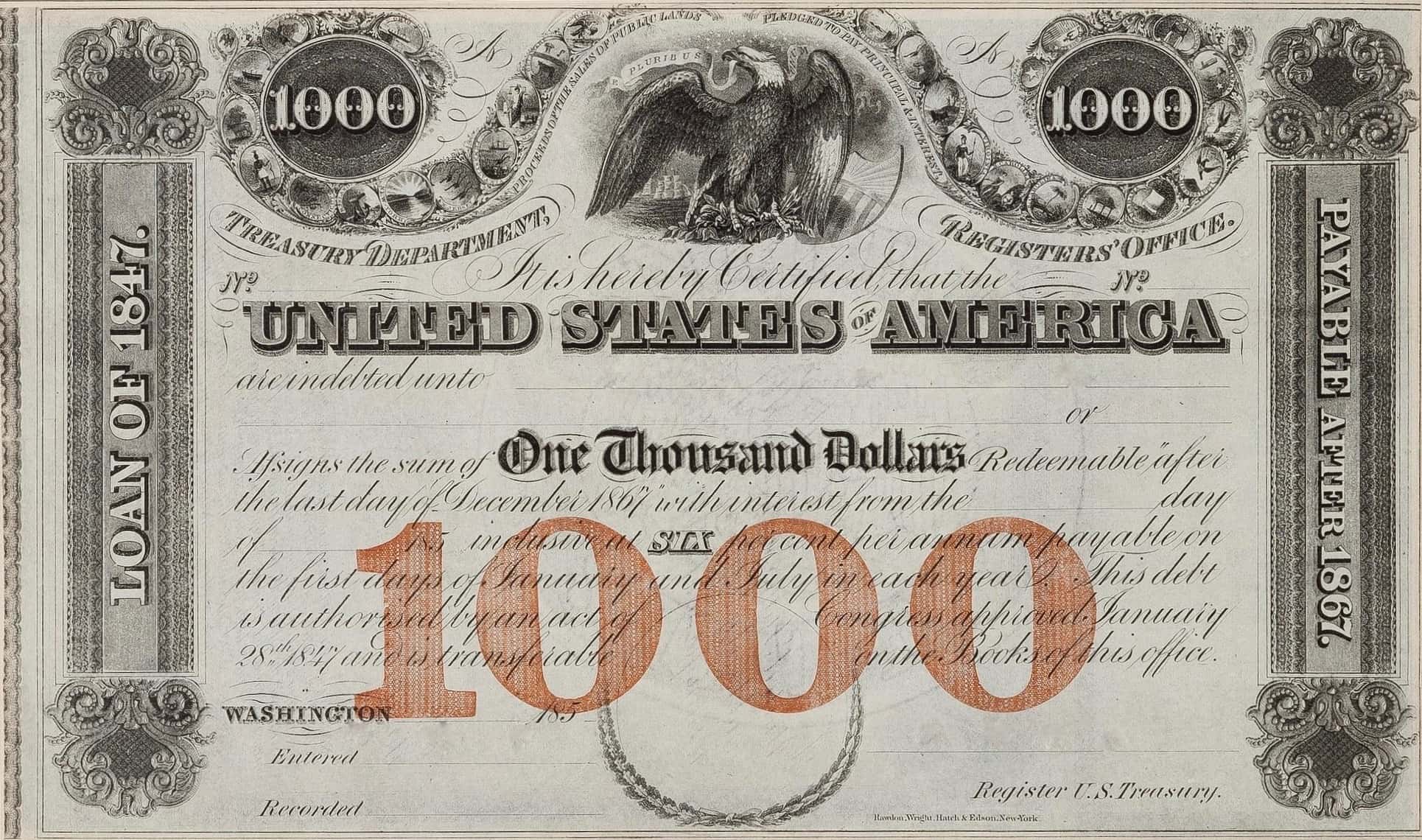 !> An example of a bond.
You may buy a bond for more or less than its face value. That is why coupon rate and yield are different. To assess the possible result, consider the purchase price, expected payments, repayment amount, and transaction costs. Yield to maturity describes a scenario in which the issuer meets its obligations; it is not a promise of the return you will actually receive.
What are the risks?
Issuer risk. A company or government may fail to make its payments. Check who owes you money, the bond's terms, and the issuer's ability to service its debt. A high advertised coupon alone says nothing about safety.
Selling before maturity. Market prices move. When rates on new bonds rise, an older bond with a fixed coupon may fall in price. When rates fall, its price may rise. If you sell early, you may receive less than you paid even if the issuer is still making coupon payments.
Liquidity. An individual bond may be hard to sell at a price you would accept. Brokerage charges and the gap between buying and selling prices can also affect your result.
Inflation. Even if payments arrive on schedule, the money may buy fewer goods and services. A known coupon does not protect its purchasing power.
How do interest rates affect the price?
A fixed coupon does not reset whenever market rates change. Instead, the price other investors are willing to pay for the bond changes. This matters most if you may sell before maturity. All else equal, a bond with more time left until maturity is usually more sensitive to changes in rates.
That relationship is not a ready-made instruction to buy short- or long-term bonds: future rates and sale prices are uncertain. Match the maturity date to when you may need the money, and check whether the issue allows early redemption.
How do you choose a bond?
Start with the terms, not the advertised yield. Who is the issuer, and how will it make payments? When are coupons and principal due? What is the purchase price, and what might you receive if you need to sell early? Is the bond actively traded, and what will the broker charge? Look for answers in the documents for that particular issue and in market prices, rather than assuming that every government bond is safe or every corporate bond is risky.
Bonds can fit an investment plan when you understand the term, conditions, and risks. Money you may need soon for everyday expenses should not depend on an easy early sale.